Book Cover Design Trends in 2026 for Self-Published Authors in the UK
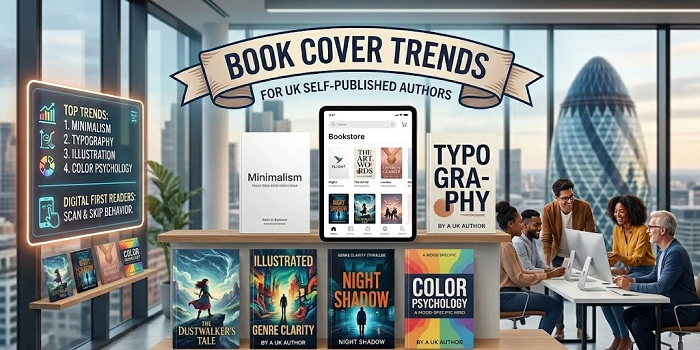
People often purchase books by rapidly looking through options on their phones. Explore the latest book cover designs for UK self-publishers to ensure your design remains crystal clear on a small screen.
Book Cover Designs That Are Changing Self-Publishing in the UK
Authors have just a few seconds to grab the attention of readers in a crowded digital marketplace, and the cover is likely to be the first opportunity they have.
Research reveals that readers generally make quick judgments on a book’s cover, particularly in an online bookstore, where books are displayed in small thumbnail format. That’s a change for the authors, as covers can no longer be merely creative artwork, but must be a marketing tool.
Cover design is now a direct factor in visibility, branding and sales performance for self-published writers and book publishers in England.
Good design conveys genre, emotion and professionalism at a glance – bad design makes it invisible regardless of the content inside.
Discover the most significant cover design trends for 2026 and how they can help UK authors succeed in the world of self-publishing.
How Covers Affect Purchasing Decisions Rapidly
Modern readers do not indulge in reading covers in detail.
Rather, they quickly scan and in seconds determine whether a book is worth exploring. This behaviour has completely changed how covers are designed.
In 2026, a successful cover should do three things: grab attention, communicate genre, and evoke curiosity. If any of these elements are missing, the book is likely to be skipped.
This change has created a clearer, emotional focus for book publishers in England.
Covers are now created specifically for digital browsing. Small thumbnails need to be still readable, yet visually captivating. It’s not about impressing the audience with the complexity, but about communicating with precision.
If a design isn’t complicated, it will work better because it will be easier to see and use in a fast-scrolling environment.
Minimalist Design and Simplicity Are Winning in 2026
Minimalism remains a very popular option for book covers, as this aesthetic aligns with how people read online. Clean layout, good typography, and minimal visual elements ensure immediate clarity.
Modern covers have one good idea in them, rather than being overcrowded. It might be a symbol, a character shadow, or a bold title arrangement.
Many book publishers in England are following this approach. Minimal covers work well on all devices, from phones to desktop screens, allowing for easy readability in all formats.
A simple design appears more modern and professional, which boosts the trust of readers.
Typography and Emotional Storytelling Through Text Design
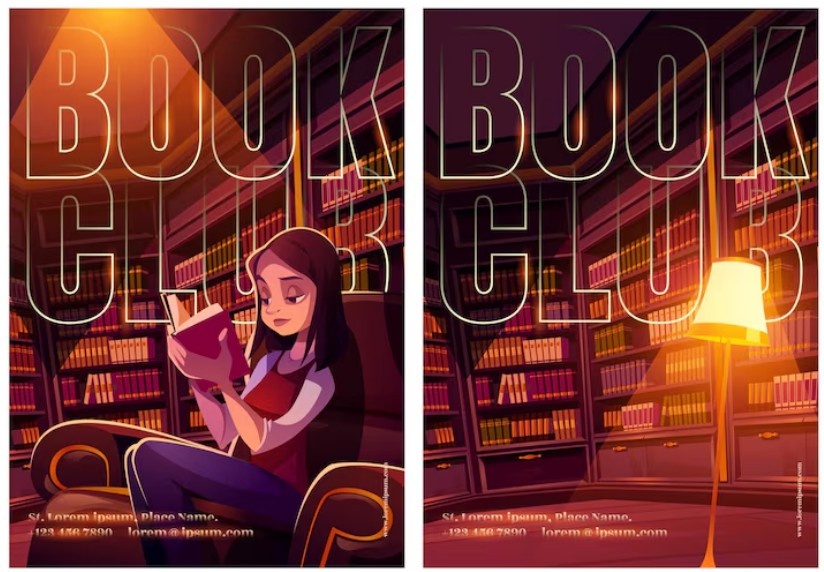
Typography is now among the most powerful tools to tell a story in modern book cover design. Fonts are no longer used for readability but to convey mood, genre, and personality.
Serif fonts tend to be more serious or traditional, and sans-serif fonts are more modern and commercial. Handwritten and custom fonts are great for a personal and emotional touch, particularly in fiction genres.
Designers working with book publishers in England are increasingly using typography as the main visual element rather than supporting imagery. The title is often the focus of the cover page.
This change is part of a wider trend; readers are turning to typography and colour before they even get a chance to process images.
The font choice alone can affect the excitement, emotions, or authority of a book.
Illustration and Visual Identity in Genre-Based Design
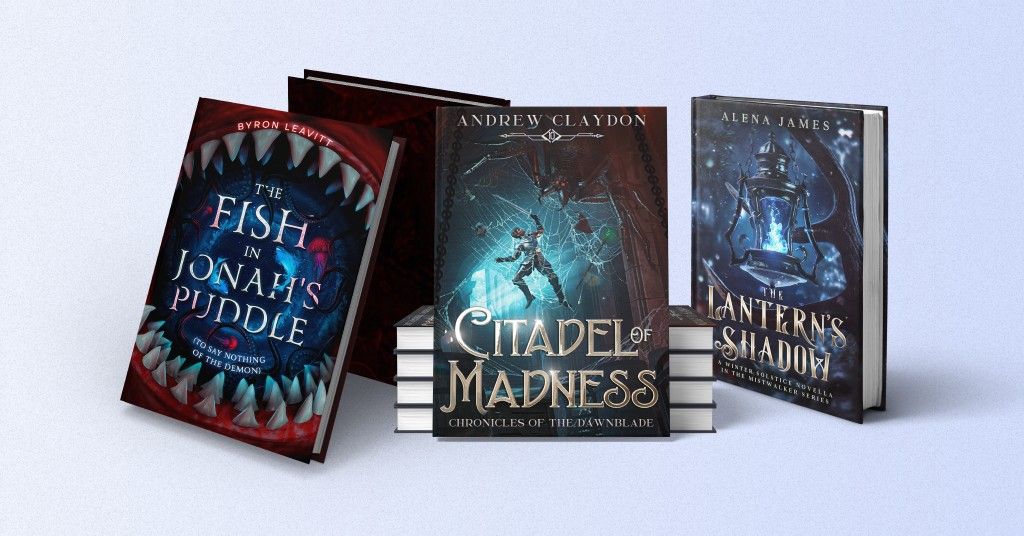
Illustrated covers are making a strong return, especially in fiction genres such as fantasy, romance, and adult fiction. It gives complete freedom of creativity and originality, unlike stock photography.
Illustration is a powerful tool that enables authors to create their own distinct voice and make themselves stand out in the saturated marketplace. Rather than being generic, the cover is instantly recognizable and memorable.
For new authors, book publishers in England suggest illustration as a way to build branding right from the start. It also provides greater flexibility in representing abstract themes that can’t be captured with a photo.
Illustration-based design works well with the storytelling genres as it evokes the world within the book and provides readers with a glimpse into the emotional journey ahead.
Colour Psychology and Its Role in Reader Decision-Making
Colour is one of the strongest emotional elements that can be used in a cover design. It has a direct impact on the reader’s feelings before even reading the title.
Different colours communicate different moods:
- Dark colors indicate mystery, tension, or seriousness
- Warm hues indicate love, feeling, or comfort
- Bright colors indicate youth, energy, or excitement
- Neutral colours show professionalism
Colour psychology is being increasingly used by modern designers in their designs. Covers are becoming not only eye-catching but also emotionally savvy.
To make sure that the cover fits in with the reader’s expectations of the genre, many book publishers in England now opt for colour testing during the design process, which helps improve engagement and conversion rates in online marketplaces.
AI-Assisted Design and Its Growing Role in Publishing
AI tools are increasingly being utilized for early design phases of the cover. They are useful for developing ideas for layout, experimenting with colour, and exploring visual concepts in a rapid way.
But AI cannot take the place of human creativity. Instead, it helps designers to accelerate their brainstorming and experimenting.
There are many common applications of AI, such as:
- Creating early sketches of potential designs
- Exploring various typography styles
- Identifying visual themes quickly
- Supporting early creative direction
Professional designers are still essential in determining the final cover design. AI can’t match human input’s ability to add emotional depth, market knowledge, and genre accuracy.
The combination of AI efficiency and human creativity is shaping the future of cover design.
How Poor Cover Designs Reduce Reader Interest
One of the most important rules in modern cover design is clarity of genre. Readers should be able to recognize the type of book at once without any doubt.
A visual language is different for each genre. Thriller covers have dark colours and high contrast; romance covers are less dramatic; non-fiction covers are structured and simple.
If it is not clear, readers will probably skip the book. Genre communication enhances visibility, builds trust, and reader engagement on digital platforms.
FAQs
What are some book design trends for 2026¤?
Trends in book design in 2026 include minimalism, powerful typography, vibrant colours, and imagery that enhance digital reading.
What does a book publisher seek in 2026?
A book publisher seeks genre clarity, marketability, digital-first book design, and a compelling cover to capture interest from the start.
What are the current trends in book cover design?
Some current trends include minimalist design, illustration, attractive colours, large typography, and high contrast.
Which book cover works well?
The book covers that work best are those that indicate genre clearly and have impactful typography and visuals.
Will AI take the place of book cover designers?
No. AI can assist in early design phases, but in the end, the talent of a professional designer is crucial for quality and emotional storytelling.
Conclusion
The future of book cover design is all about clarity, emotion, and digital performance.
Online readers make their decision within seconds, so the cover must convey the genre, mood, and professionalism in those precious seconds.
The publishing industry in the UK is being influenced by trends like minimalism, bold typography, illustration, and digital-first design in the presentation of books.
For authors and book publishers in England, adapting to these trends is no longer a matter of choice, but a matter of success. A good cover comes with more than attracting attention. It establishes and builds trust, strengthens the brand, and directly affects sales performance.

I am a professional content writer and contributor for SelfPublishingBook.co.uk, with extensive experience in writing, editing, and publishing. Over the years, I have worked with a variety of authors, helping them understand the process of bringing a book from concept to publication. Many self-publishers have been guided by me, and I explain the self-publishing concept clearly. I focus on providing practical advice, insights on publishing trends, and tips on marketing strategies that help authors reach the right audience. My work has appeared in articles, blogs, and guides aimed at supporting writers at every stage of their journey. I combine creative storytelling with professional publishing knowledge to make the path to publishing clear, approachable, and effective.